1. Adoption of ASME A17.1-2025 Standards
The primary regulatory framework for vertical transportation safety is the ASME A17.1/CSA B44, Safety Code for Elevators and Escalators. The 2025 revision represents the most current industry benchmark for safety.
Scope of Coverage: Governing design, construction, installation, and operation.
Safety of Life: Prioritizing the protection of passengers and maintenance personnel.
Regulatory Compliance: Mandatory adherence for all new installations within participating jurisdictions.
Lifecycle Management: Directives for testing, inspection, maintenance, and repair protocols.
Standardization: Promotion of public welfare through uniform safety requirements across North America.
2. Multi-Layered Integrated Safety Systems
Modern elevator architectures utilize a combination of mechanical, electrical, and digital safety layers designed to operate without human intervention.
Continuous Monitoring: Real-time analysis of car position, speed, and door status.
Automatic Intervention: Systems programmed to halt operation immediately upon detection of an anomaly.
Digital Integration: Microprocessor-based controllers that self-diagnose potential hardware failures.
Fail-Safe Design: Mechanical components designed to revert to a safe state (stopped) if power or control signals are lost.
Interlocking Systems: Ensuring the elevator remains stationary until all safety parameters are met.
3. Redundancy in Critical Safety Components
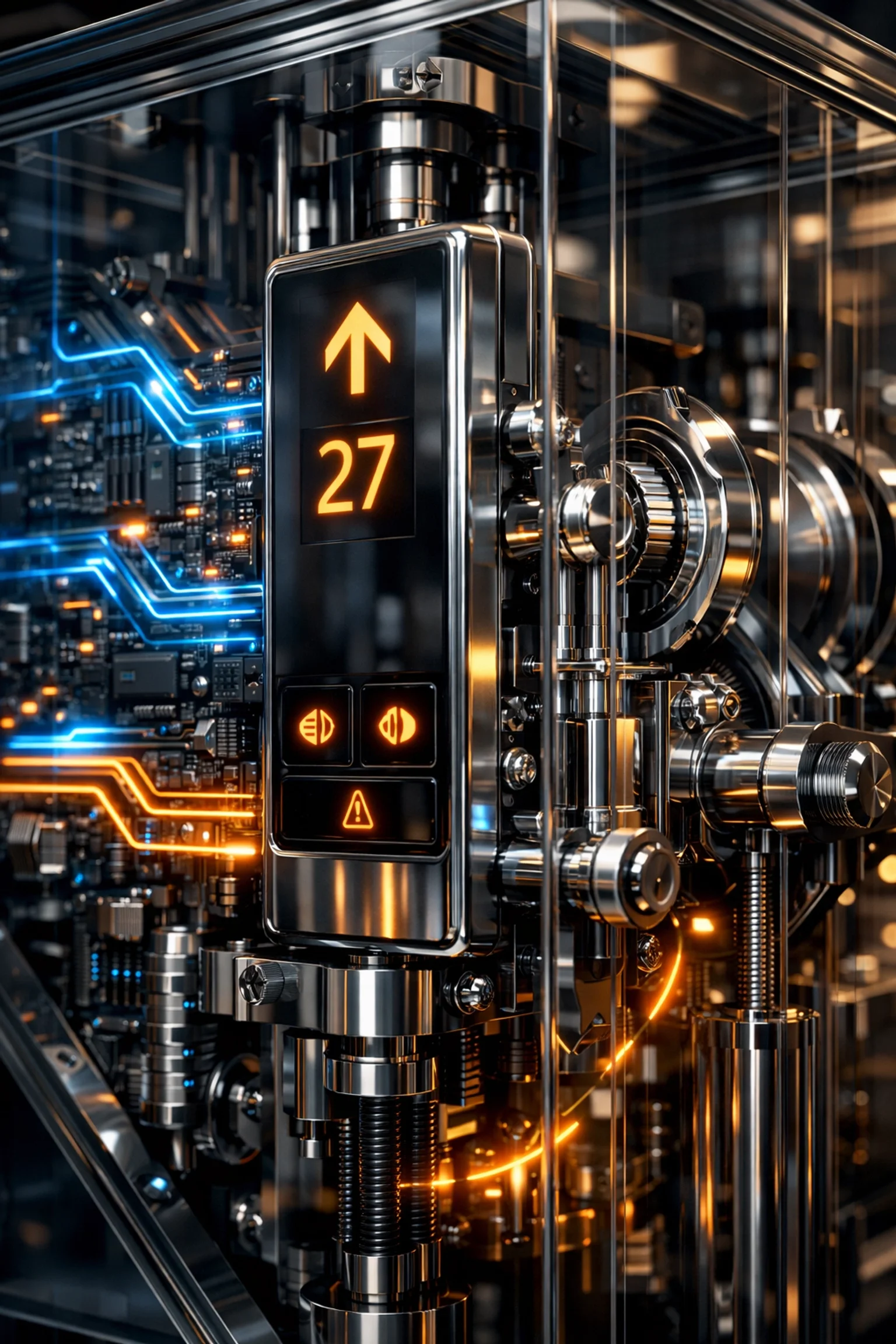
The "Single Point of Failure" philosophy is eliminated in modern elevator engineering through the implementation of redundant systems.
Multiple Suspension Ropes: Elevators are equipped with multiple high-strength steel cables or belts, each capable of supporting the full weight of a loaded car independently.
Dual Braking Systems: Redundant braking mechanisms ensure deceleration even if the primary drive brake encounters a fault.
Safety Circuits: Multiple series of switches that must all be closed for the elevator to move.
Redundant Controllers: Secondary processing units that verify primary control commands.
Buffer Systems: Heavy-duty oil or spring buffers located in the pit to provide controlled deceleration in the event of travel beyond the lowest terminal.
4. Overspeed Protection and Governors
Vertical speed is regulated by dedicated mechanical and electrical overspeed protection systems.
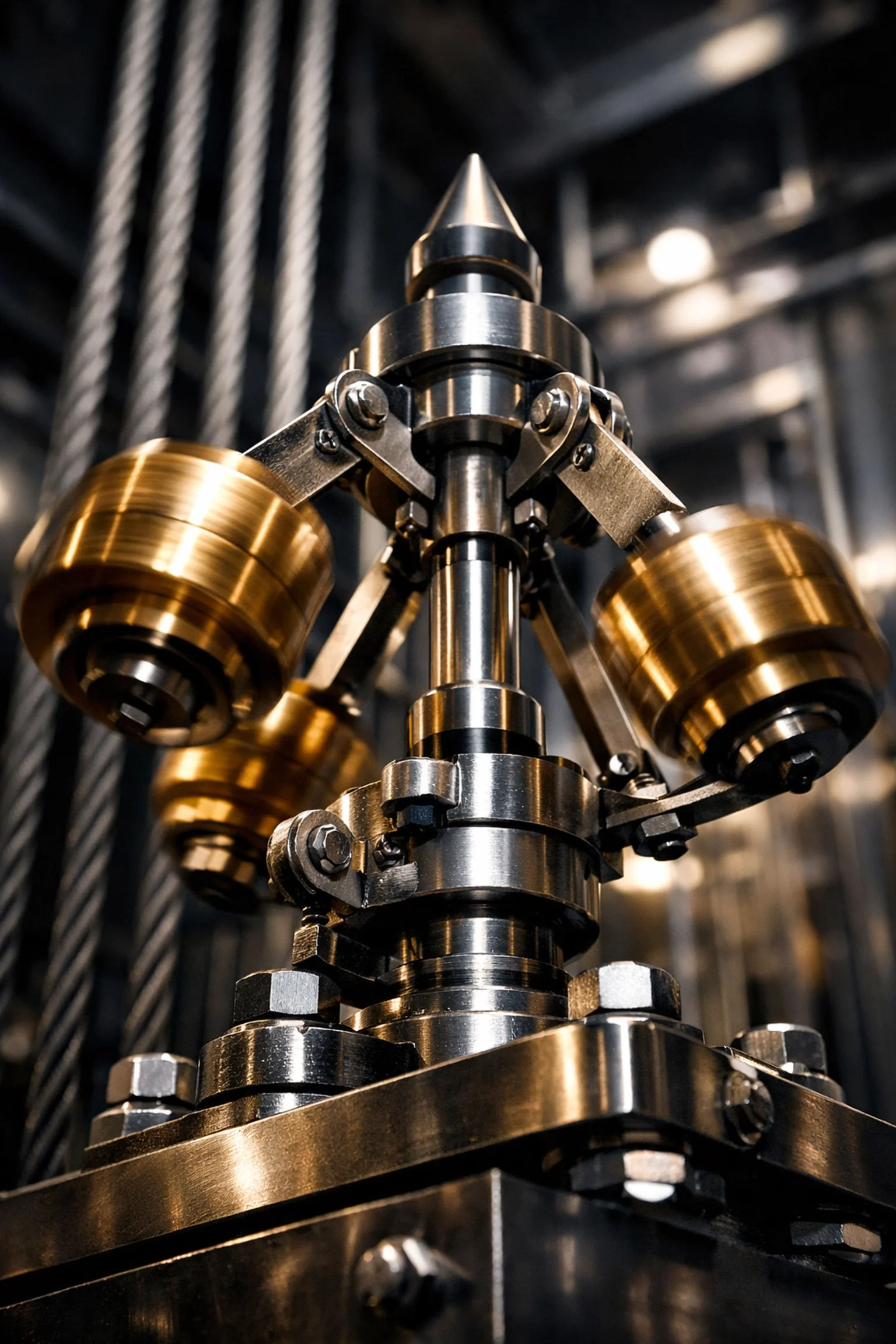
Centrifugal Governors: Mechanical devices that monitor the speed of the elevator car relative to its rated speed.
Electrical Tripping: The first stage of intervention which cuts power to the drive motor if the car exceeds rated speed.
Mechanical Safety Application: If overspeed continues, the governor triggers mechanical "safeties" (jaws) that grip the guide rails.
Bi-Directional Protection: Current standards require protection against both overspeed in the downward direction and unintended upward movement.
Independent Operation: Governors operate independently of the main elevator control system and power supply.
5. Advanced Door Safety Technology
Door-related incidents represent a primary focus for modern safety innovations, utilizing non-contact detection methods.
Infrared Light Curtains: Multiple beams of light that create an invisible screen across the door opening.
Detection Sensitivity: Systems capable of detecting small objects or limbs to prevent contact.
Automatic Re-opening: Immediate reversal of closing doors when an obstruction is detected.
Kinetic Energy Limits: Regulated door speed and force to ensure passenger safety even if sensors are bypassed.
Nudging Feature: Controlled, slow-speed closing with an audible signal if doors are obstructed for an extended period.
6. Enhanced Emergency Communication Requirements
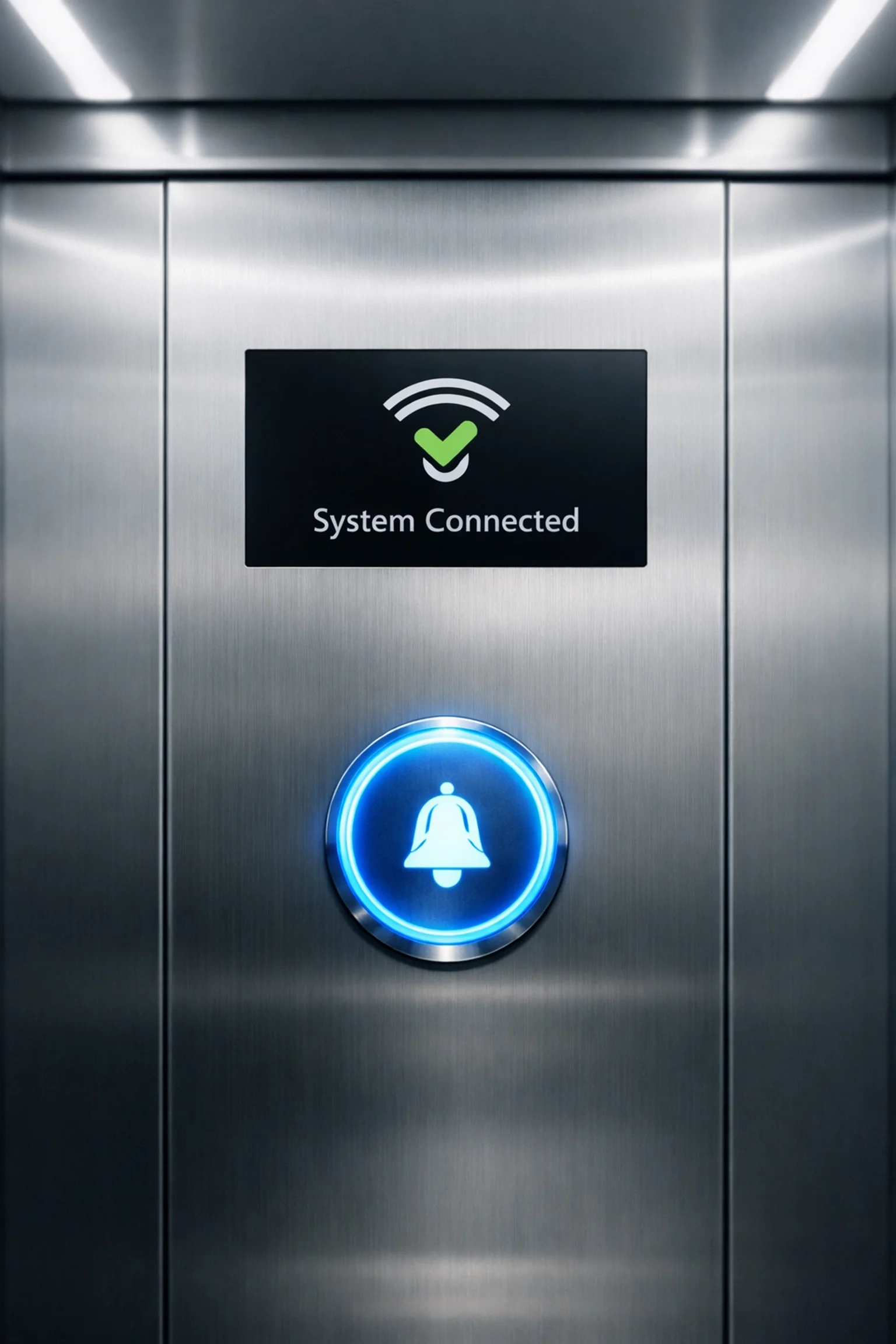
Modern codes, specifically addressing accessibility and reliability, have modernized how passengers interact with emergency services.
Two-Way Visual Communication: Systems providing text-based feedback for passengers with hearing or speech impairments.
24/7 Monitoring: Connection to an authorized emergency call center at all times.
Battery Backup: Communication systems remain functional during power outages.
Location Identification: Automatic transmission of building address and elevator number to emergency dispatchers.
ADA Compliance: Ensuring that all buttons and communication devices are reachable and operable by all individuals.
7. Structural Integrity and Seismic Requirements
Elevator systems in modern buildings are engineered to withstand environmental stresses, including seismic activity.
Seismic Sensors: Devices that detect earthquake vibrations and automatically park the car at the nearest floor.
Rail Reinforcement: Specialized brackets and heavy-duty guide rails to maintain car alignment during building sway.
Counterweight Displacement Sensors: Monitoring to ensure counterweights remain on tracks during seismic events.
Snag Point Prevention: Engineering solutions to prevent cables or ropes from catching on hoistway projections during movement.
Code Compliance: Specific seismic zones (as defined by local building codes) dictate the level of structural fortification required.
8. Fire Safety and Responder Integration
Modern elevators are integrated into the building’s fire alarm and emergency management systems.
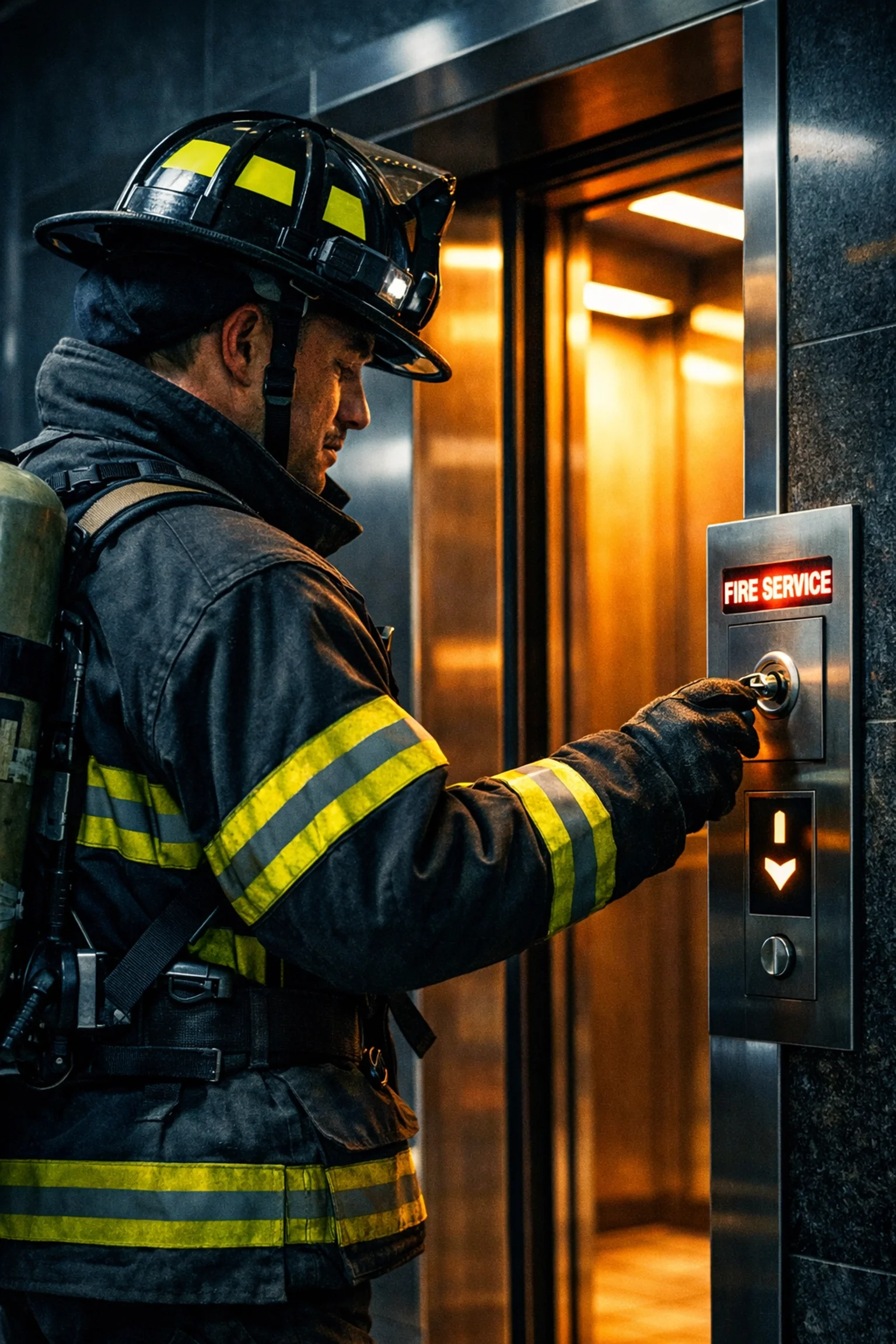
Phase I Emergency Recall: Automatic return of the car to a designated floor upon smoke or fire detection.
Phase II Emergency Operation: Manual control mode reserved specifically for fire department use.
Fire-Rated Materials: Hoistway doors and car interiors constructed from materials tested for fire resistance and low smoke toxicity.
Responder Radio Coverage: New requirements in the 2025 code for emergency responder radio coverage equipment within the elevator environment.
Heat Sensing: Monitoring of machine room and hoistway temperatures to prevent operation under extreme thermal conditions.
9. Rigorous Testing and Certification Protocols
Before an elevator is released for public use, it must undergo a series of standardized performance and safety tests.
Load Testing: Verifying the car’s ability to handle 125% of its rated capacity.
Safety Device Testing: Functional verification of governors, safeties, and buffers.
Emergency Power Verification: Testing transition to and operation on standby generators.
Third-Party Inspection: Certification by authorized government or independent inspectors.
Documentation: Maintenance of permanent records regarding all tests and certifications for regulatory review.
10. Mandatory Maintenance and Inspection Schedules
Ongoing safety is contingent upon a disciplined maintenance regimen performed by certified technicians.
Scheduled Maintenance: Routine inspections and lubrication performed at intervals defined by usage and code.
Annual Inspections: Comprehensive safety checks required by law in most jurisdictions.
Certified Technicians: Requirement for work to be performed by licensed elevator mechanics.
Modernization: Systematic upgrading of older components to meet contemporary safety standards.
EESF Involvement: The Elevator Escalator Safety Foundation provides education to ensure public awareness regarding proper rider behavior.
Safety Education and Training
The Elevator Escalator Safety Foundation (EESF) facilitates ongoing safety training and community events to promote vertical transportation safety.
Upcoming Safety Events:
World Elevator Day: Commemorating safety milestones globally. Event Details
Elevator Escalator Safety Week: A dedicated week for public safety awareness. Details
National Elevate Day: Focused on industry advancement and safety. Details
National Elevator Mechanics Day: Recognizing the professionals who maintain these systems. Details
Live Safety Training Opportunities:
Safety Ambassador training sessions are conducted monthly via Zoom to educate the community on safe riding practices.
Industry Partnerships and Tours:
Access Elevator Supply Tour: Examining supply chain safety standards. View Tour
Residential Elevator Think Tank: Discussing safety in home installations. Join Discussion
To view all scheduled safety initiatives and educational programs, visit the EESF Events Page. For general information on safety standards and educational resources, visit eesf.org.