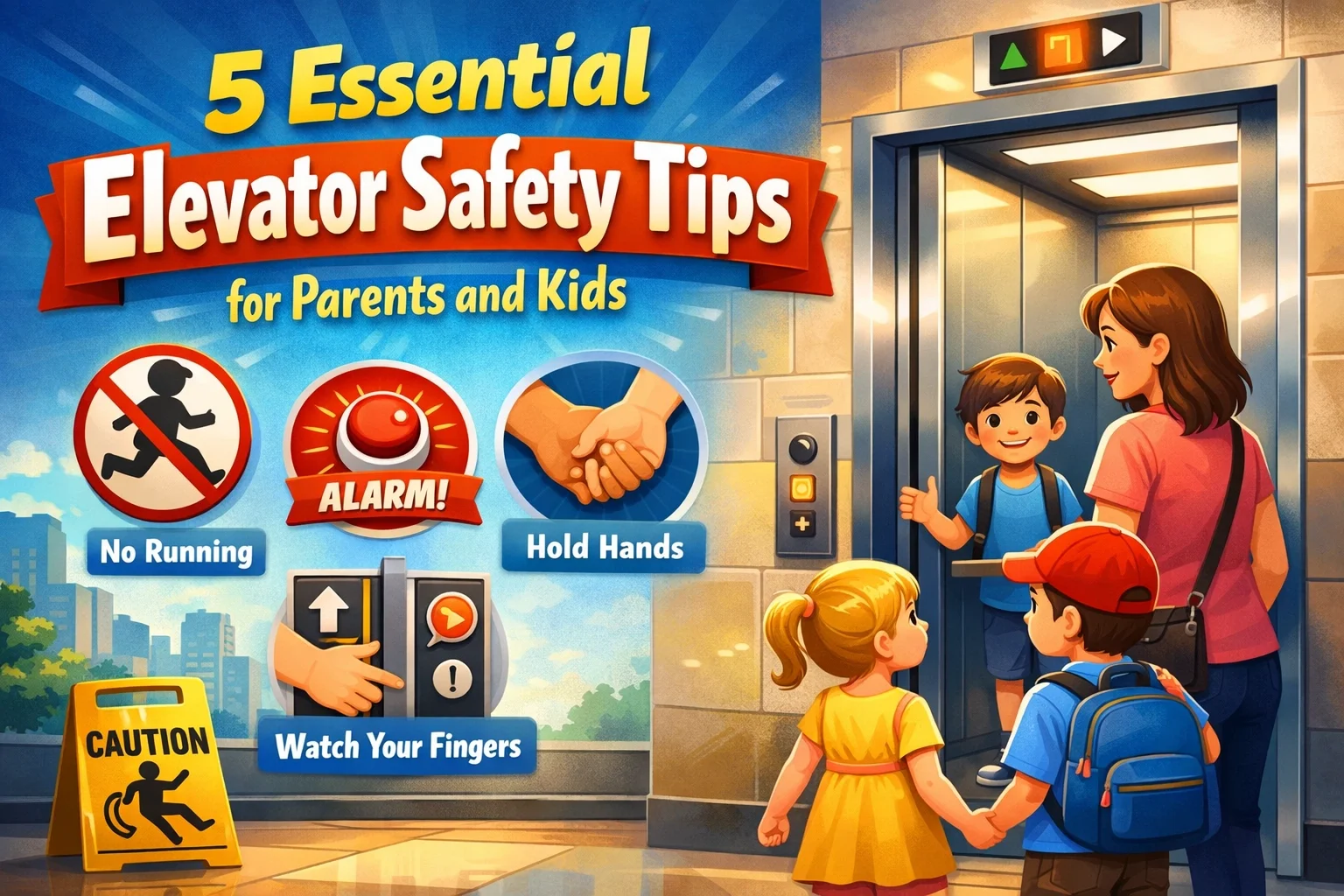
SEO Title: 5 Essential Elevator Safety Tips for Parents and Kids | EESF
SEO Description: Teach your kids elevator safety with these 5 essential tips from EESF. Keep your family safe while riding elevators at school, work, or the mall.
Institutional Safety Overview
The Elevator Escalator Safety Foundation (EESF) serves as the primary resource for public safety education regarding the use of automated transit systems. Vertical transportation is a statistical leader in passenger safety; however, maintaining this standard requires adherence to established protocols by all riders, particularly children.
Educational initiatives focus on the elimination of preventable accidents through the dissemination of technical safety standards. For further information on the mission of the organization, please visit https://www.eesf.org.
1. Handrail Utilization and Physical Stability
Maintaining physical equilibrium while in a moving elevator cab is a fundamental safety requirement. Elevators utilize complex cable or hydraulic systems that may result in subtle vibrations or shifts in momentum during acceleration and deceleration.
Stability Protocols
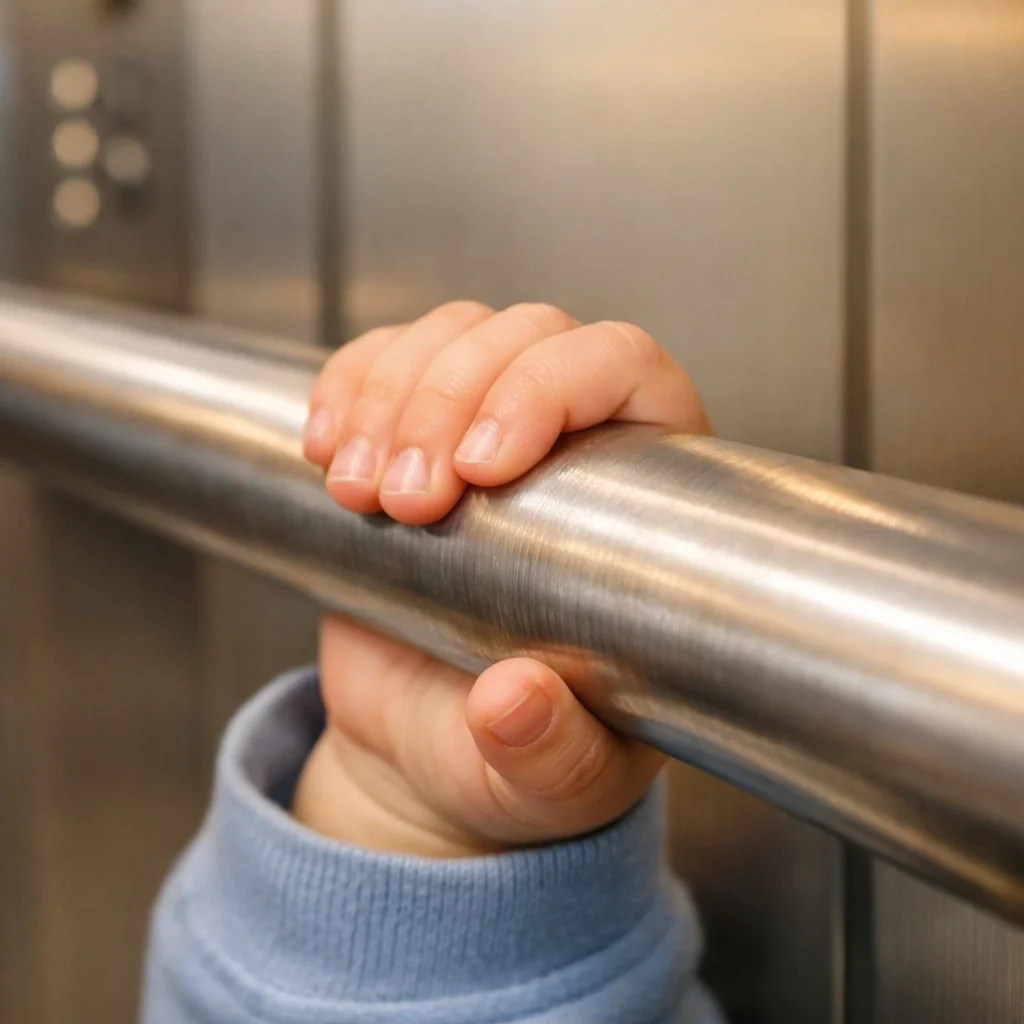
Constant Contact: Passengers should maintain a firm grip on the handrail provided within the cab.
Child Positioning: Smaller children often possess a higher center of gravity; adult supervision ensures they remain upright during transit.
Anti-Leaning Policy: Leaning against the cab walls or the doors is prohibited. This prevents interference with the mechanical operation of the door track.
2. Threshold and Door Clearance Standards
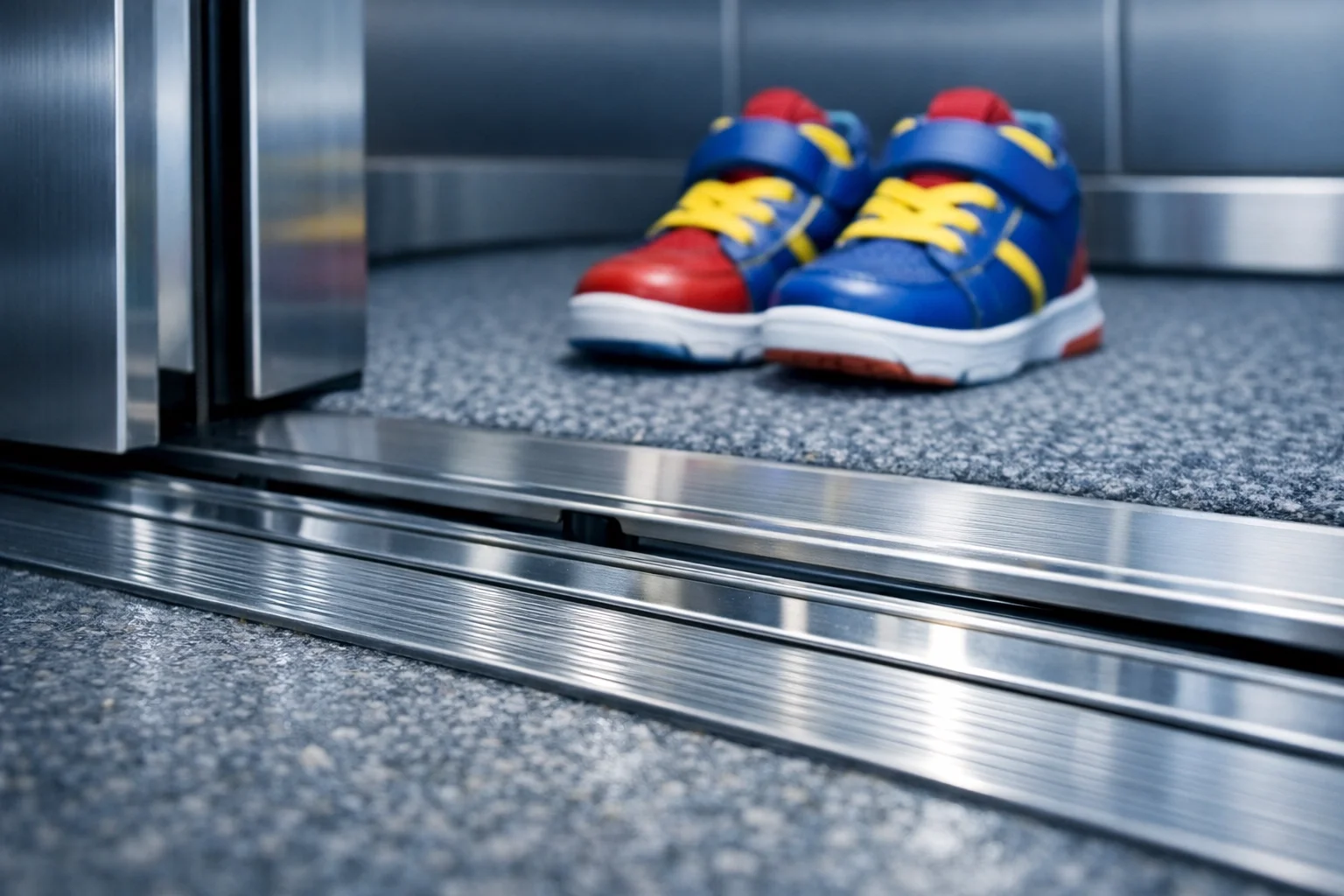
The interface between the elevator cab and the building floor represents a critical safety zone. This area contains mechanical tracks and sensors that must remain unobstructed for safe operation.
Safety Procedures for Doorways
The 3-Inch Rule: Industry standards highlight the risks associated with gaps wider than 3¼ inches. Fingers, small toys, and loose clothing must remain clear of these areas.
Sensor Limitations: While modern elevators utilize light curtains and electronic sensors to detect obstructions, these systems are not infallible. Direct physical contact with closing doors should be avoided.
Obstruction Prohibition: Use of hands or feet to stop a closing door is unsafe. Utilize the "Door Open" button exclusively for this purpose.
Belonging Management: Backpack straps, scarves, and pet leashes must be secured and kept close to the body to prevent snagging in the door mechanism.
3. Systematic Entry and Exit Protocols
Orderly movement during the boarding and disembarking process reduces the risk of trips, falls, and collisions.
Sequence of Movement
Passenger Prioritization: Allow all exiting passengers to clear the cab before attempting to board.
Leveling Awareness: Before stepping across the threshold, verify that the elevator floor is level with the building floor.
Visual Confirmation: Look down at the floor when entering or exiting to identify potential gaps or uneven surfaces.
No-Running Mandate: Running into or out of the elevator cab is strictly prohibited due to the risk of tripping on the door track.
4. Control Panel Etiquette and Functional Use
The elevator control panel is a functional interface for transit, not a recreational device. Improper use can lead to mechanical strain or service delays.
Operational Standards
Single-Floor Selection: Only the button for the intended destination floor should be depressed.
Button Misuse Prevention: Discourage children from pressing multiple buttons simultaneously. Excessive inputs can cause system confusion and unnecessary stops, leading to increased wear on the mechanical components.
Emergency Button Education: Instruct children that the "Alarm" or "Help" buttons are reserved for emergency scenarios where the cab has ceased movement between floors.
5. Supervised Transit Requirements
Young children lack the situational awareness required to navigate mechanical environments independently. Supervision is the primary deterrent for transit-related incidents.
Supervision Guidelines
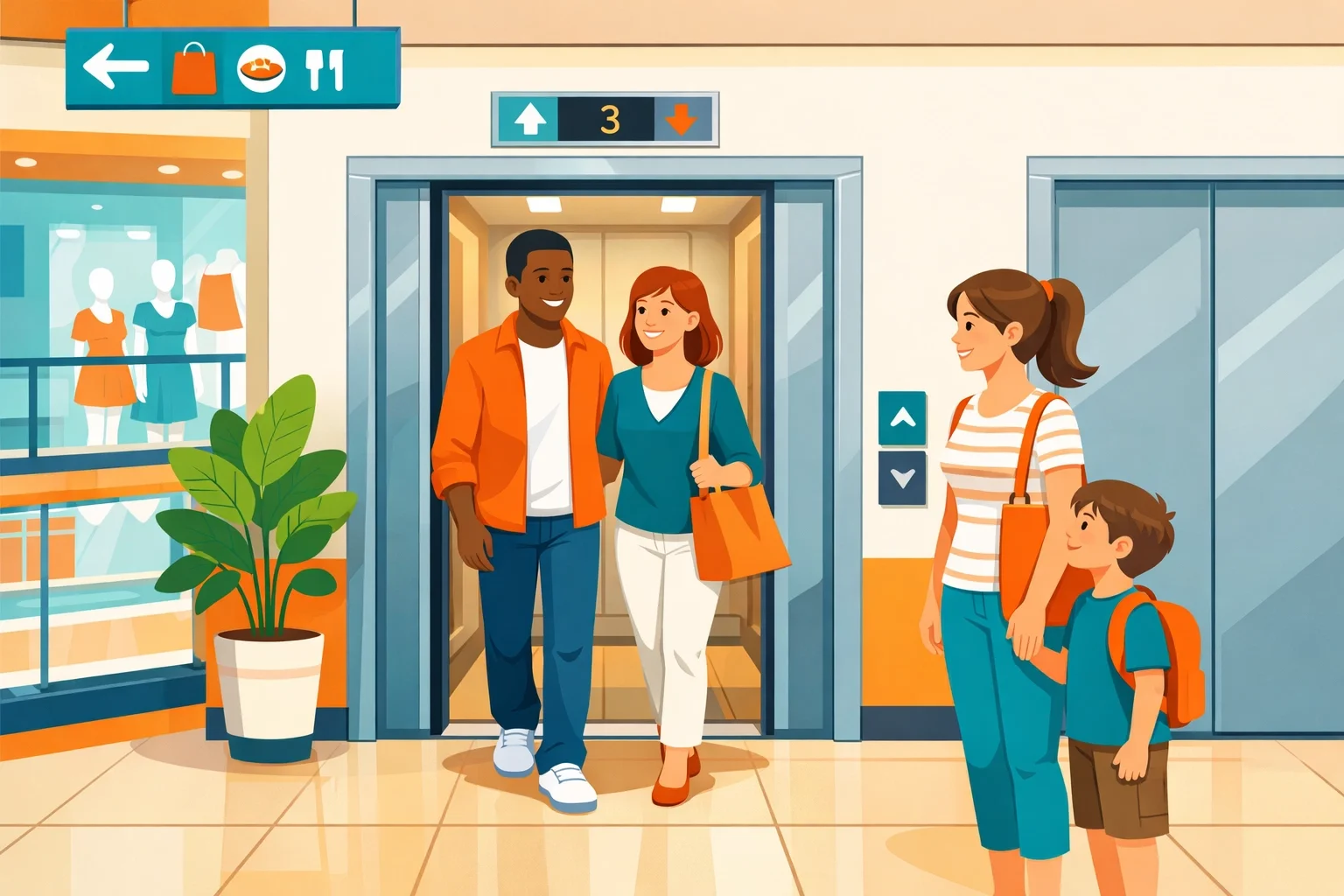
Accompaniment Mandatory: Children under the age of twelve should be accompanied by a trusted adult at all times during elevator use.
Modeling Behavior: Adults are expected to demonstrate proper safety protocols, as children observe and replicate the actions of supervisors.
Situational Preparation: Adults should maintain awareness of the child’s proximity to the doors and the control panel at all times.
Emergency Response Management
In the rare event of a mechanical stoppage, adhering to established emergency protocols ensures passenger safety and facilitates efficient extraction by authorized personnel.
Protocol for Stalled Elevators
Containment: Remain inside the elevator cab. The cab is the safest location during a stoppage. Never attempt to exit through the doors if the cab is not level with a floor.
Communication: Utilize the "Help" button or the internal emergency telephone to contact building security or emergency services.
Composure: Maintain a calm environment. Oxygen levels within the cab are sufficient, and the mechanical braking systems are designed to hold the cab securely in place.
Professional Extraction: Wait for instructions from professional elevator mechanics or emergency responders.
Foundation Programs and Observances
The Elevator Escalator Safety Foundation coordinates several annual events and training sessions to promote safety awareness across North America.
Annual Safety Observances
World Elevator Day: An annual recognition of vertical transportation safety. Details available at https://www.eesf.org/new-events/world-elevator-day.
National Elevator Escalator Safety Week: A dedicated week for public education. Information can be found at https://www.eesf.org/new-events/elevator-escalator-safety-week.
National Elevate Day: Focuses on the advancement of safety technology. Visit https://www.eesf.org/new-events/national-elevate-day.
Safety Development and Training
The Foundation provides monthly SafeTAmbassador live training via Zoom. These sessions are designed to equip individuals with the knowledge to teach safety in their communities.
April Session: https://www.eesf.org/new-events/april-safetambassador-live-training-zoom
May Session: https://www.eesf.org/new-events/may-safetambassador-live-training-zoom
June Session: https://www.eesf.org/new-events/june-safetambassador-live-training-zoom
July Session: https://www.eesf.org/new-events/july-safetambassador-live-training-zoom
August Session: https://www.eesf.org/new-events/august-safetambassador-live-training-zoom
September Session: https://www.eesf.org/new-events/september-safetambassador-live-training-zoom

Technical Safety Tours and Initiatives
Institutional transparency is maintained through program tours and industry collaborations. These events highlight the engineering and maintenance standards required for safe vertical transit.
EESF Program Tour: General overview of safety educational materials. https://www.eesf.org/new-events/eesf-program-tour.
Access Elevator Supply Tour: Review of components and safety parts. https://www.eesf.org/new-events/eesf-partner-tour-access-elevator-supply.
Conclusion of Safety Guidelines
Adherence to the five essential tips outlined above significantly reduces the probability of transit-related injuries. Public safety is an ongoing commitment involving parents, educators, and the elevator industry.
For a complete list of upcoming safety workshops and community events, please refer to the EESF events calendar at https://www.eesf.org/new-events.
Further inquiries regarding residential elevator safety standards may be directed to the EESF Residential Elevator Think Tank at https://www.eesf.org/new-events/eesf-residential-elevator-think-tank-zoom.